Working with the Kshamta Foundation through the Tribes for Good program was a deeply meaningful and transformative experience that allowed me to engage with real-world issues such as gender inequality, financial independence and ethical consumption. I did not come into this project wanting to teach anyone anything, I came in because something about the gap bothered me. Women with real, marketable skills in beauty and makeup and almost no access to the financial knowledge that would let them actually build something with those skills. Add to that the fact that the beauty industry tests on over 100 million animals a year, and most of these women had no idea. I felt like those two problems belonged in the same conversation.
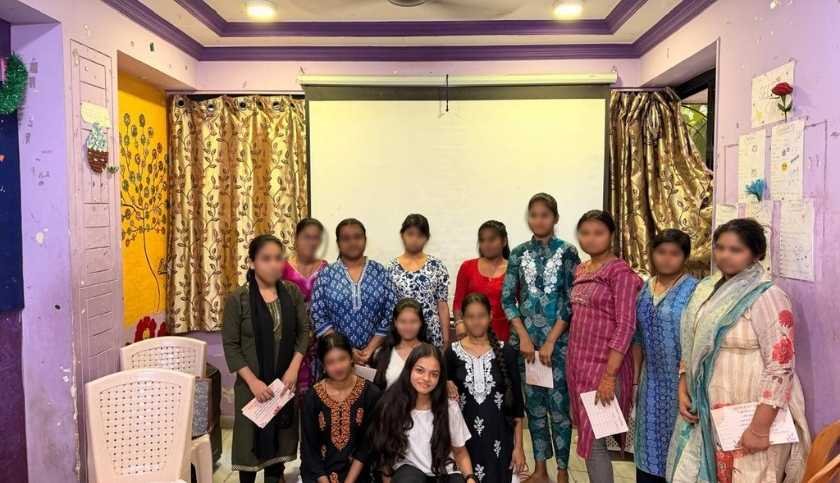
I designed and conducted two virtual fieldwork sessions and one offline workshop, directly engaging with 15 to 20 women with the aim of empowering women by combining confidence building, financial literacy and awareness of cruelty free practices within the beauty industry.
In the first virtual fieldwork, I collaborated with two teammates to conduct a session on building confidence in oneself, confidence in one’s work, and awareness around menstrual health. We designed a Math vs Fact game to break down misconceptions and ended with an activity where participants complimented each other. What I noticed across that one session was a real shift, by the end, women who had barely spoken were answering questions freely.
I did the second session alone which was slightly scary. An hour, on my own, speaking to women I had only met virtually. While initially challenging, it strengthened my confidence in leading a session for an extended period. This workshop focused on introducing beauty as a microbusiness and promoting cruelty-free makeup. Through interactive discussions, participants reflected on their existing skills, hobbies, and future aspirations, helping them connect their abilities to potential income-generating opportunities. It stopped being a presentation and became a conversation. Their answers reminded me that the skills were already there, what was missing was someone connecting those skills to the idea of income.
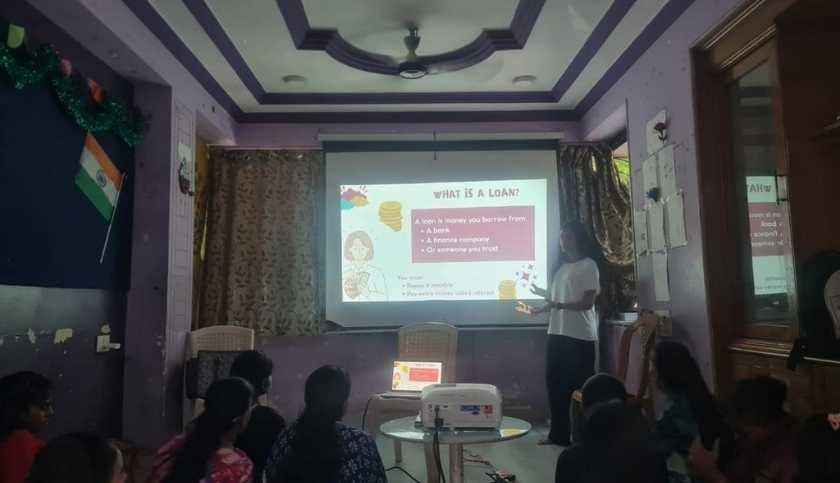
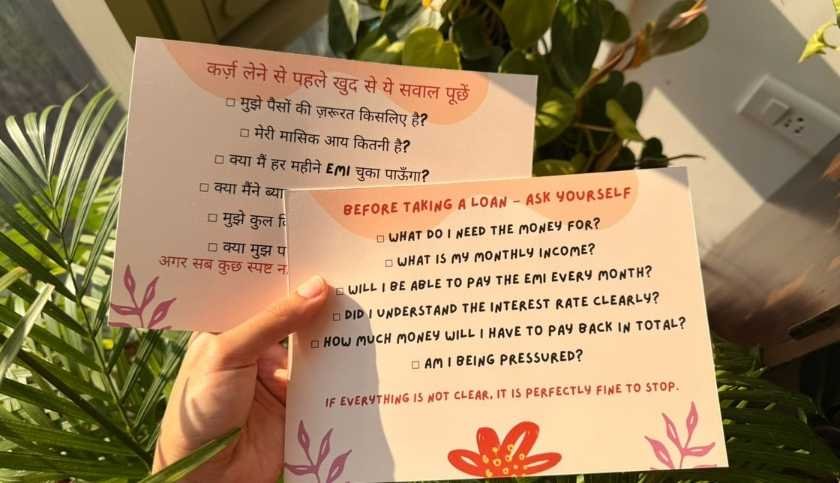
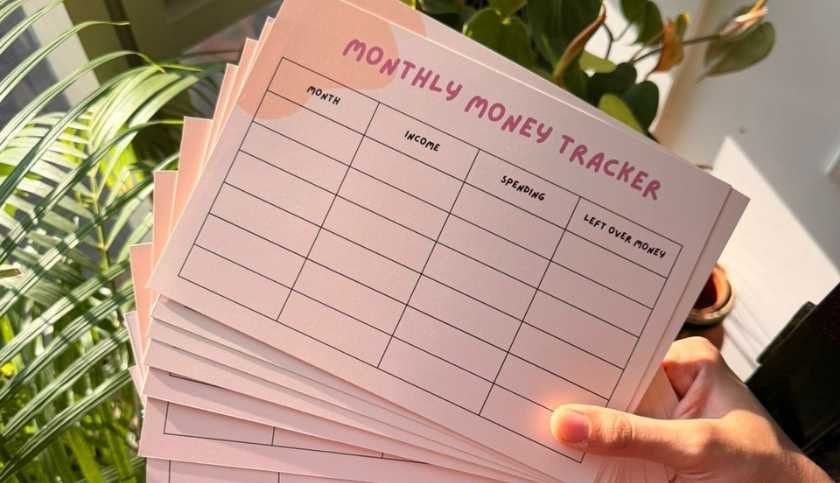
The offline session was more hands on with a self-made toolkit including a monthly money tracker and a loan checklist. I also spoke about budgeting, EMIs, savings and government welfare schemes. To make the session more relatable, I spoke about my mother’s small food business during COVID. I also ran a reflection circle at the end and honestly in the room was something I didn’t expect.
My Hindi isn’t strong so it was tough to communicate some topics to them however using simple examples, interactive activities and visuals helped me communicate effectively. Throughout the project I consistently integrated the importance of cruelty-free makeup, encouraging participants to consider the ethical implications of their choices as consumers and entrepreneurs. This aspect of the project allowed me to merge my long-standing passion for animal welfare with my interest in economics and social impact.
Overall, this experience significantly reshaped my understanding of impact. It was at the intersection of things I care most about, economics, animals and the idea that empowerment isn’t something you give people. It’s what happens when you equip someone with the confidence, knowledge and tools to make their own informed decisions. I came in wanting to contribute something useful. I left having learned that the women already had most of what matters figured out, they just needed to see it.
This post has been authored by Vipanshi Agarwal, Grade 11